


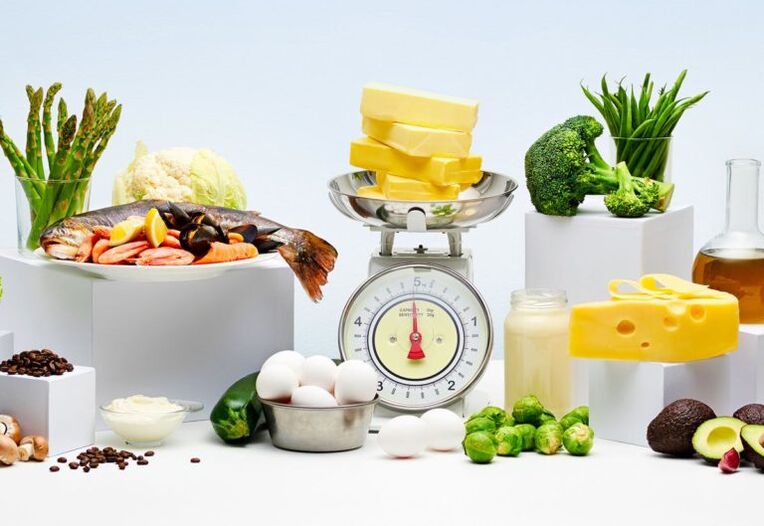
The keto or ketogenic diet is a diet based on low-carb nutrition by increasing protein and fatty foods in the diet.The ketogenic diet gets its name from the process that occurs in the body during the diet: ketosis.
What is ketosis?
Ketosis is a state of the body in which cells, as a result of a lack of carbohydrates, begin to break down fat for energy and a large number of ketone bodies are formed.This process appeared as a result of evolution and allowed our ancestors to survive in the absence of carbohydrates in the diet.
The essence of the keto diet.
The idea is that you completely eliminate foods that contain carbohydrates from your diet.It's not just bread, sweets and alcohol, but also cereals and starchy vegetables.At the same time, you increase the amount of protein and fatty foods.
The effectiveness of the ketogenic diet for weight loss.
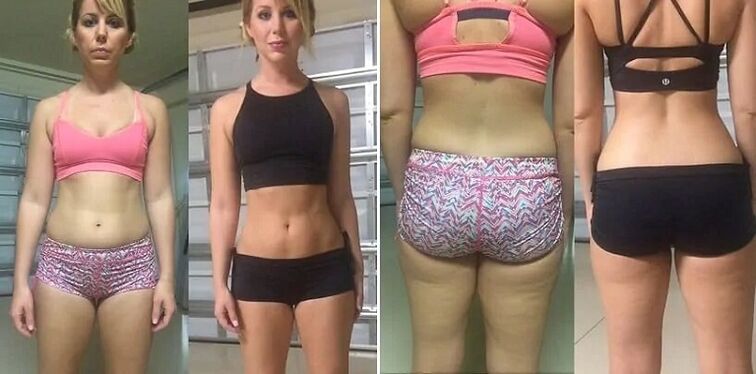
The ketogenic diet has been shown to be effective in many studies and is very popular.It has become popular for its high effectiveness in the fight against fat deposits.On average, you can lose 0.5 to 3 kg per week, depending on how much excess fat you have to begin with.Such rapid weight loss was possible due to the fact that the body rebuilds itself to obtain energy from fats and, in conditions of dietary calorie deficit, begins to consume its reserves of subcutaneous fat.
Basic principles and rules of the keto diet.
In order for the ketone diet to produce not only results, but also benefits, the following principles must be followed:
- eat foods that do not contain carbohydrates, except only vegetables, but not those that contain starch;
- Drink at least 2 liters of water for girls and 3 to 4 liters for men.If you don't drink enough water, you may experience bad breath and urine;
- Fiber must be present in the diet.The optimal amount is 30 grams;It can be added to salads or omelettes.Fiber is necessary for the proper functioning of the digestive system.(to avoid constipation);
- To speed up the weight loss process, add physical exercise.20-30 minutes at the initial stage will be enough.
Ketosis or how to start a keto diet correctly
To start the ketone diet, you need:
- Reduce carbohydrate intake to 40-50 grams per day.Carbohydrates should be obtained primarily from vegetables;
- the amount of protein in the body should be 1 to 1.5 grams for girls and 2 to 2.5 grams for men;
- Eat enough fat.
Your ketosis will not start immediately, but after about 3 to 5 days, everything here is individual.You will initially feel weak for the first 1 or 2 days, a condition similar to a cold.Don't worry, this is how the body reacts to the lack of carbohydrates in the diet, there is nothing you can do about it, you just have to wait.Once the ketosis process begins, you will feel much better;Some people who follow the ketone diet feel even better than before.There is a surge of strength and a decrease in hunger between meals.
How to understand that ketosis has started
To determine whether you have entered ketosis or not, you can buy test strips at the pharmacy.They are not mandatory, you can use them more for fun, to understand that the process is underway.
Benefits of the ketogenic diet
- rapid weight loss;
- reduce the annoying feeling of hunger;
- improved mood;
- normalization of blood pressure and blood sugar levels;
- improve sleep quality;
- quick and clear mind.
Types of ketogenic diet
There are three types of keto diet:
- classic- With this regimen, you consume a small amount of carbohydrates every day.Many people prefer this option because it allows them to eat a small amount of fruit every day.
- aim- you take a small amount of carbohydrates the night before the day you have a planned workout, this will give you a burst of energy.
- rotary or cyclic- once a week set aside a period of 8 to 10 hours during which you eat whatever you want.These should be predominantly carbohydrate foods to replenish glycogen stores and prevent a slowdown in metabolism.